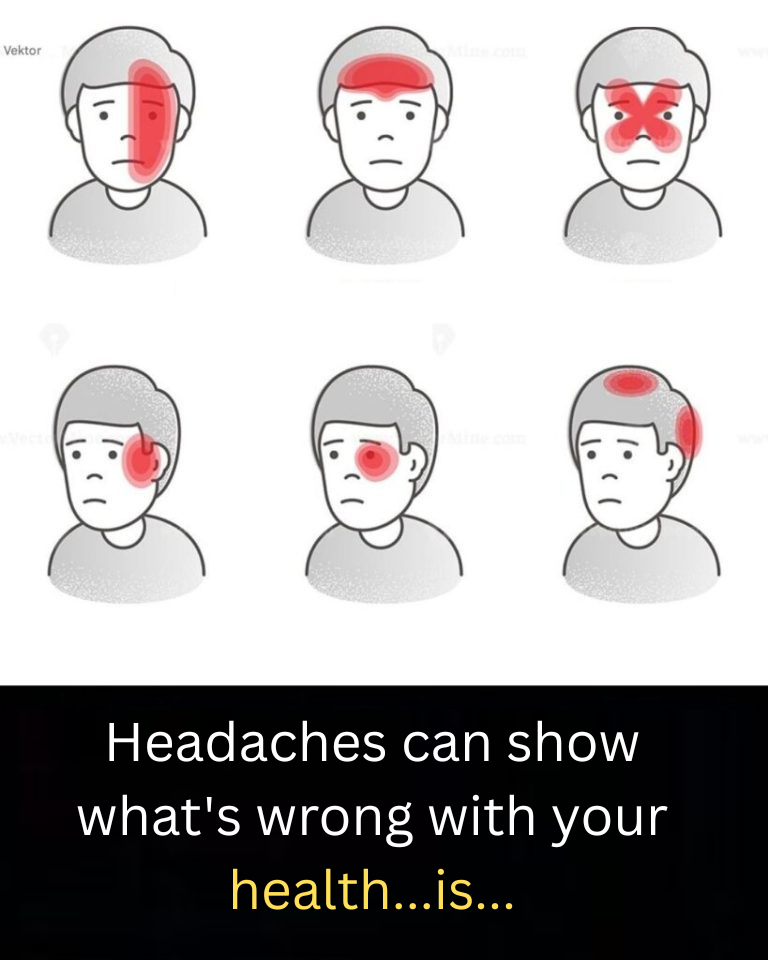
How headaches reveal what’s wrong with your health
When to Contact Your Doctor
According to the National Institutes of Health, headaches can sometimes indicate a more serious condition. Possible causes include:
Bleeding around the brain
High blood pressure
Brain infections such as meningitis or encephalitis
Brain tumors
Fluid buildup in the skull (hydrocephalus)
Increased intracranial pressure without a tumor (pseudotumor cerebri)
Carbon monoxide poisoning
Sleep apnea
Vascular abnormalities such as aneurysms, AVMs, or stroke
Seek immediate medical attention if you experience:
A sudden, explosive, or severe headache
“The worst headache of your life,” even if you frequently get headaches.
Headaches accompanied by speech difficulties, visual disturbances, weakness, confusion, or memory loss
Pain that worsens continuously over 24 hours
Fever, neck stiffness, nausea, and vomiting
Headaches following a head injury
Severe pain in one eye with redness
New headaches after age 50
Headaches associated with weight loss, jaw pain when chewing, or visual disturbances
New headaches due to cancer or a weakened immune system
Natural home remedies
Many people rely on medication, but frequent use of painkillers can lead to rebound headaches, where the medication itself triggers symptoms.
Natural methods can help reduce the frequency and severity of headaches without unwanted side effects. Effective options include:
Himalayan salt (can support electrolyte balance)
Ginger tea (anti-inflammatory and calming)
Lavender lemonade (soothing and aromatic)
Vitamin B2 (riboflavin)
Magnesium supplements (helpful for migraines)
You may also find relief by drinking water, lying in a dark and quiet room, and applying a cool cloth to your forehead.
Prevention Strategies
To better understand your triggers, keep a headache diary. Note:
When the headaches started and ended
What you ate and drank in the 24 hours prior
How much sleep you got
Your stress level and emotional state
Activities or environmental factors around the time the pain started
Recording these details helps identify patterns and may make it easier to manage or prevent future headaches.
Consulting a doctor, nutritionist, or naturopath can also provide you with individual insights into your symptoms and overall health.
See continued on the next page.